
Your Story Isn’t Failure — It’s Human. And It’s Holy Ground.
This morning blindsided me — the kind of morning that unravels before you even take your first full breath.
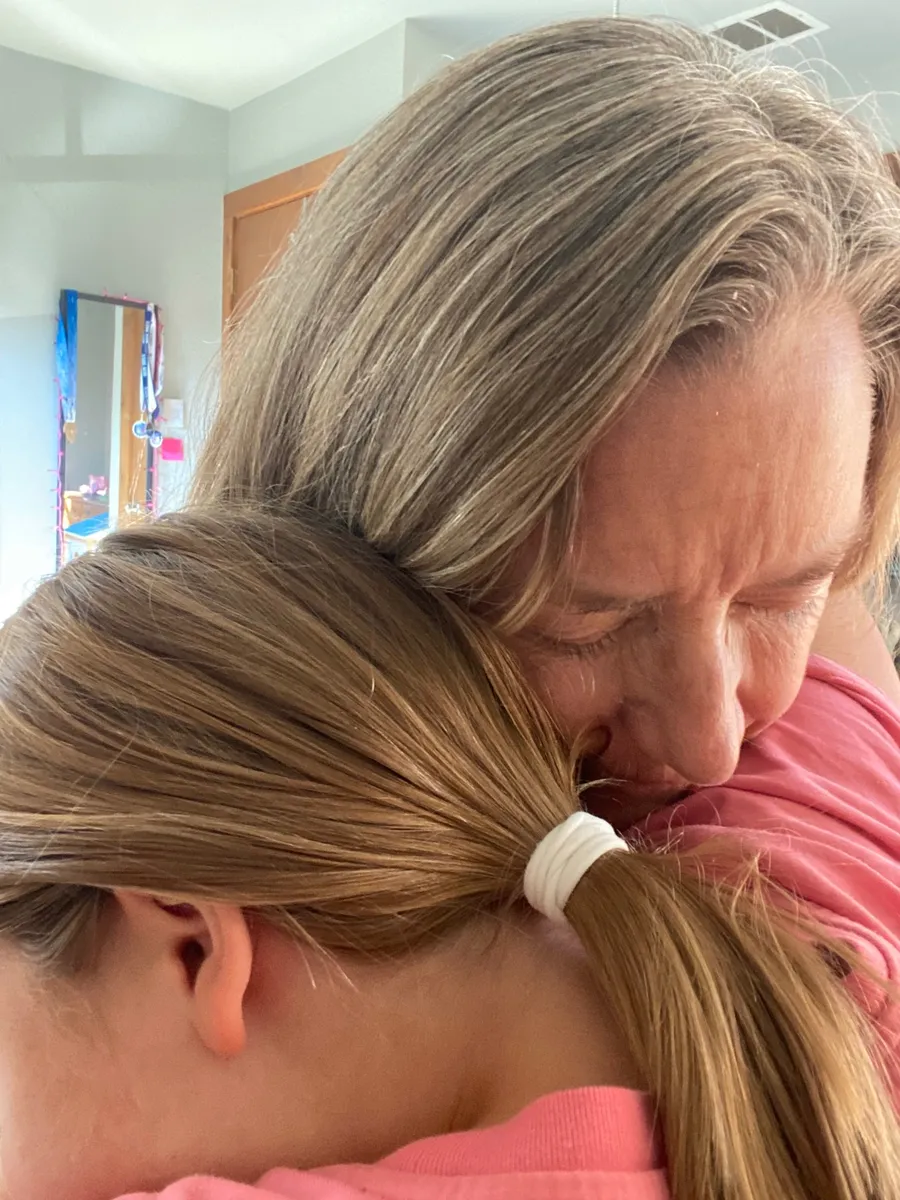
My daughter’s braces broke. Her allergies were flaring. And before 8 a.m., my Monday plans were gone.
I had blocked the morning to work on my business — the writing, the networking, the momentum I’m
building in my coaching and marketing work. But instead, I was juggling dental appointments, allergy tears,
and constant phone calls.
And beneath all that was a deeper ache.
She leaves next weekend for a full week with her father — someone who has not proven himself kind or
emotionally safe. And every year, that transition stirs something heavy in both of us.
I wanted to be calm and present. Instead, I was snappy, short, and externally quiet but internally screaming.
My missed workout didn’t help — the one thing that keeps my body strong and my mind steady.
But the truth is… it wasn’t the morning that pushed me over.
It was the wound.
That old whisper:
“You’re not enough. You should be able to do it all.”
And even though I never raised my voice… my body was yelling.
Kids feel that. Neuroception is real. Their nervous system reads our emotional state long before our words.
I saw it in her eyes — that flicker of worry, that sadness wondering if she caused my tension, simply by
needing me.
This is the silent storm so many mothers live inside. You love your child with your entire being — yet life
demands more than your nervous system can hold.
1. You Don’t Yell Because You Don’t Care — You Yell Because You Care So Deeply It Hurts
The pressure to be everything — patient, calm, productive, available — becomes impossible to carry.
And when you can’t meet your child’s needs in that moment, that old wound gets jabbed:
“You’re not enough.”
That’s what triggers the shame → overwhelm → yelling cycle. Not a lack of love — a lack of capacity.
2. Your Nervous System Reacts Before Your Faith Has a Chance to Respond
When stress hits, your body enters fight-or-flight.
Your heart rate rises. Your breath shortens. Your system locks into defense.
This isn’t spiritual weakness — it’s biology.
Scripture says:
“Be still and know that I am God.” — Psalm 46:10
But stillness is not just a spiritual practice — it is a regulated physical state. You cannot access spiritual
stillness when your body is stuck in survival mode.
3. The Guilt of Not Being Enough Rekindles Old Wounds
Motherhood presses on every place inside you that was never nurtured.
When you fall short — even slightly — it feels like failure. It taps childhood wounds about worth, love, and
performance.
The yelling isn’t the real issue. The wound is.
The yelling is the alarm.
4. Your Child Feels Your Inner Storm — Even Without a Raised Voice
Children read tone, tension, and atmosphere faster than words.
Your dysregulation becomes their emotional environment.
Not to shame you — to empower you.
Once you understand the mechanism, you can interrupt the pattern.
5. You Can Love Your Child Fiercely While Learning New Ways to Respond
You’re not broken. Your nervous system learned survival long before motherhood.
Now you’re learning peace. Regulation. Repair.
And that work is holy.
A Devotional Closing
Take a breath.
You are not failing — you are awakening. You are not too much — you’re being stretched in places never
nurtured. You are not breaking your child — you’re breaking generational patterns.
God is not disappointed in you. He is with you in the sighs, in the pauses, in the repairs, in the honest
moment where you choose awareness over shame.
You love your child deeply. And that love is what brought you here — into healing, growth, and slow, steady
transformation.
Let that be enough for today.