When we choose positive words, something beautiful happens—not just in our hearts, but in our minds and bodies too. Here’s what I’ve learned about how this works, and it’s honestly amazing:
Positive words help us become solution-seekers instead of worry-carriers. When we speak hope over our circumstances, our brains actually start looking for ways through instead of reasons why we can’t. Science shows us that practicing gratitude and encouragement lowers our stress hormones, which means we feel calmer and more grounded, even when life feels overwhelming.
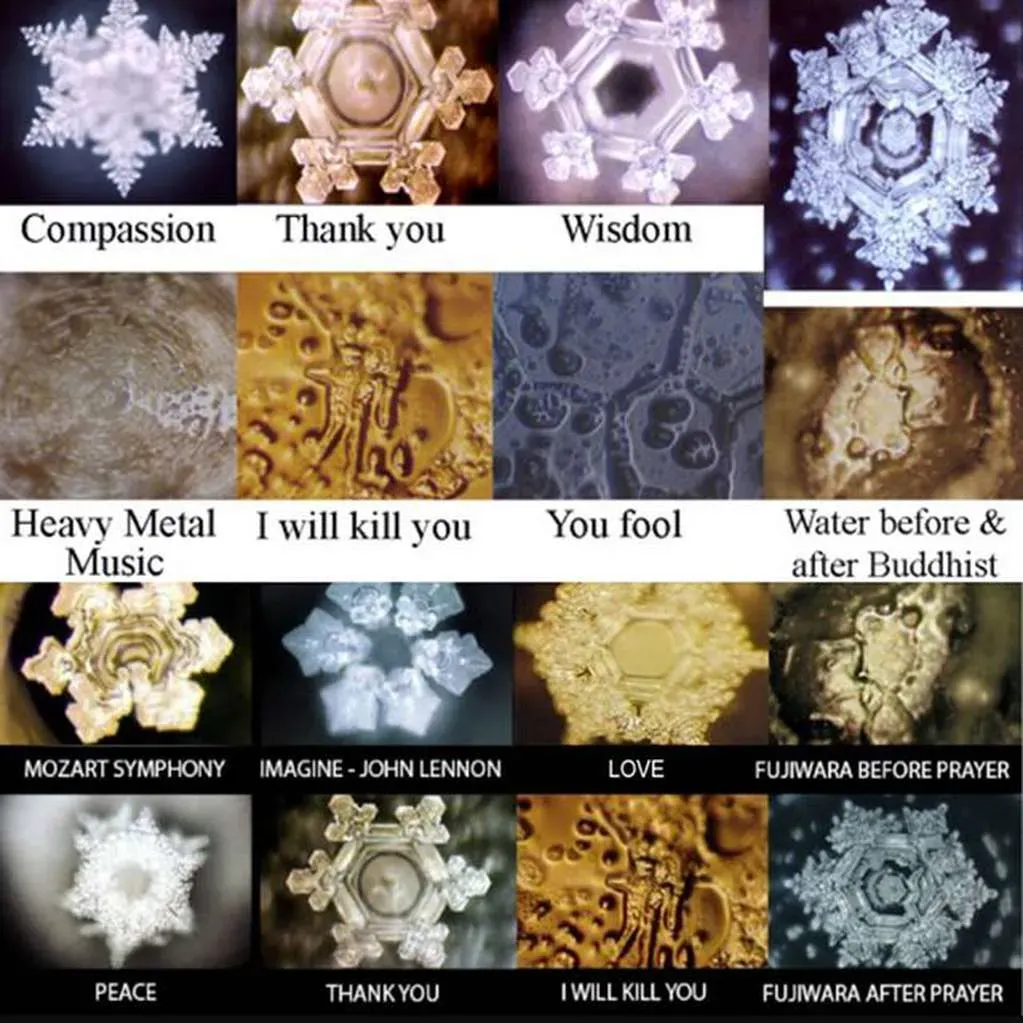
Here’s what really touches me: when we use words like “hope,” “thank you,” and “I can do this,” we’re literally boosting the chemicals in our brains that help us feel happier and more connected. Dr. Emoto’s fascinating water studies even showed us how positive words can create beautiful patterns in water crystals, while negative words create chaotic ones. Since our bodies are mostly water, imagine what our kind words are doing inside us!
The parts of our minds that handle motivation, focus, and emotions become more active with positive language. This makes us more confident and less likely to react from fear or anger. What I teach my students is that positive self-talk—like reminding ourselves “I can handle this with God’s help”—actually trains our brains to bounce back quicker from setbacks. It’s like building spiritual and emotional muscle. And when we use encouraging words with others, we’re creating homes, schools, and communities that feel safer and more loving.
Modern science confirms what Scripture has always told us: the words we choose can bring peace, healing, and hope to our lives and to others. As Proverbs 16:24 reminds us, “Gracious words are a honeycomb, sweet to the soul and healing to the bones.” From fear to freedom—it can start with the very words we speak.
Stephanie Lyn Gregory
Somatic Trauma-Informed Coach
TIPP